
Overview
What does it mean to be fulfilled, think clearly, and help build a more just society? Beingism is a philosophy that begins with reason, treats fulfillment as a central goal, and argues that compassion grows out of rational considerations.
Emotions give us goals, meaning, and motivation. Reason helps us understand reality and pursue those goals effectively. Moreover, when reason is applied consistently, it leads to fulfillment, justice, and a more compassionate world.
Some of the more interesting understandings that result from applying Beingist thought are:
- the idea that, while we do make choices, and are responsible for those choices, the commonly held notion of free will is literally a figment of our imagination.
- the belief in free will inhibits one's ability to be compassionate.
- punitive justice systems are based on faulty reasoning, result in more crime, and a lack of rehabilitation for those who have fallen into crime.
- compassion is not separate from reason, but rather a direct outgrowth of it.
- reason is in opposition to a belief in economic conservatism.
Beingism in a Nutshell
Reason
Reasoning based on experience is our most accurate means of understanding ourselves and our world, and thus our most effective way of influencing these things.
Emotion
Emotions provide us with the goals that create meaning for us, make us happy, and ultimately make our lives fulfilling.
For the Benefit of All
All are equally worthy of having a life, regardless of nature or circumstance, and generally we are all more fulfilled when others are as well.
In short, Beingism holds that rational efforts toward a just and sustainable society can increase overall fulfillment while respecting the liberty and welfare of all beings.
Core Principles of Beingism
- Reason based in experience is our most accurate method of understanding reality and thus our most consistent means of accomplishing goals.
- Being reasonable implies open-mindedness, determination, flexibility, and the importance of research and an evidence-based approach to problem-solving.
- Everyone wants to improve their emotional state or maintain a state of fulfillment.
- Compassionate behavior often leads to fulfillment, and can lead to increased fulfillment in a society designed to encourage it.
- Systems that favor the fulfillment of some individuals over others create less overall fulfillment than other potential systems.
Featured Essays

Why Use Reason?
An explanation of why reason is our most reliable method of understanding reality and our most consistent means of accomplishing goals.
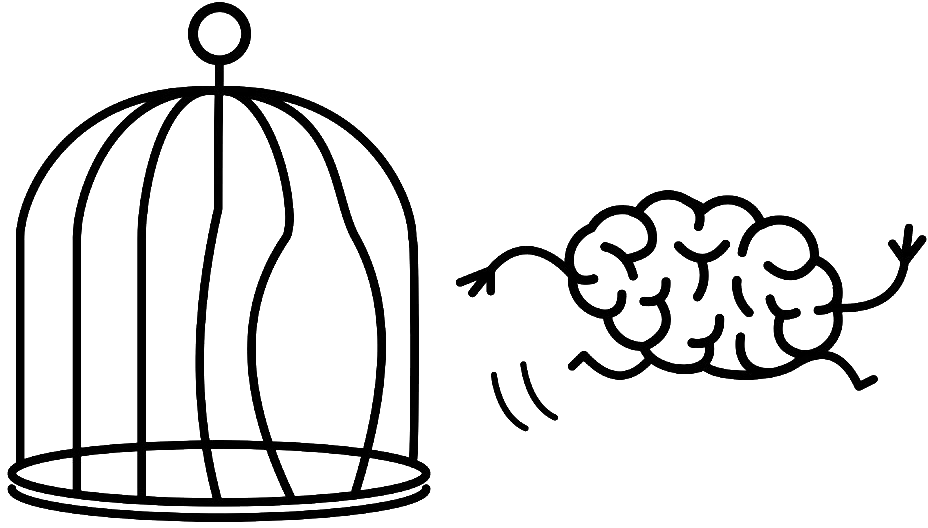
Why the Will Is Not Free
A philosophical argument that although choice is real in an important sense, free will as commonly understood is not.

What Is Fulfillment?
A discussion of fulfillment as a complex, evolving, and overall positive state shaped by emotion, sensation, experience, and meaning.

Why Is Compassion Rational?
An argument that compassion is not opposed to reason, but grows from reason as a rational response to fulfillment, welfare, and self-interest.

Why People Are Economically Conservative
A discussion of some of the psychological, social, and ideological reasons people defend systems that produce inequality and suffering.

Beingism in the Larger Philosophical World
A plain-language explanation of how Beingism relates to major philosophical ideas about reason, ethics, free will, compassion, humanism, and justice.
Explore the Logic of Beingism
Beingism builds its ideas step by step. These visual logic maps show how its central claims connect: reason as the best method, the limits of free will, compassion as a rational conclusion, and justice as non-punitive.
Reason is Most Effective
Why reason is the most reliable way to understand reality and pursue goals.
Why the Will is Not Free
Why choice is real, but not ultimately free from causes.
Belief in Free Will Inhibits Compassion
Why belief in free will strengthens blame, obscures causes, and inhibits compassion..
Rational People are Compassionate
How reason and fulfillment lead toward compassion.
Justice Should Be Non-Punitive
Why rational justice systems would be non-punitive.
To Sum Up
- It follows from reason that everyone desires a fulfilling life, and no one deserves it more than anyone else.
-
Compassionate behavior, and the creation of social systems that institutionalize it, are keys to a society of people capable of successfully finding fulfillment.
Such a society would:
- be more fair than our current one,
- probably benefit you directly, and
- contribute to your own happiness to the extent that you feel good about helping others.
- Therefore, as Beingists, we understand that rational efforts toward the creation of a just society in which everyone’s interests receive equal consideration, would increase the overall fulfillment of individuals within such a society.
Want to respond? Visit the discussion page.